Pricing a Bradley Beach condo can feel tricky. Shore-town demand shifts with the seasons, and small buildings mean fewer recent sales to benchmark. If you want a price that attracts buyers without leaving money on the table, you need a method that blends data with local nuance.
This guide walks you through a clear, step-by-step process tailored to Bradley Beach. You will learn how to choose the right comps, adjust for ocean proximity and amenities, factor HOA fees and flood risk, and set a list price that fits your goals. Let’s dive in.
Know the Bradley Beach market
Bradley Beach is a compact coastal borough where proximity to the beach, boardwalk, and downtown plays a large role in value. Buyers also weigh convenience to NJ Transit and the appeal of nearby shore towns. Inventory is often tight, and listing activity follows a seasonal rhythm.
Seasonality and timing
Sales along the Jersey Shore often peak in spring and summer. Listing in late winter or early spring can place you in front of more buyers when the weather warms and beach access is top of mind. Off-season listings can still work, but they may take longer to sell and require a sharper price.
Inventory and demand
In a small borough, even a handful of listings can change buyer choice. Check how many similar condos are active, pending, and sold in the past 6 to 12 months. Low inventory often supports stronger pricing, while a surge of competing units might call for a more competitive approach.
Location factors that drive value
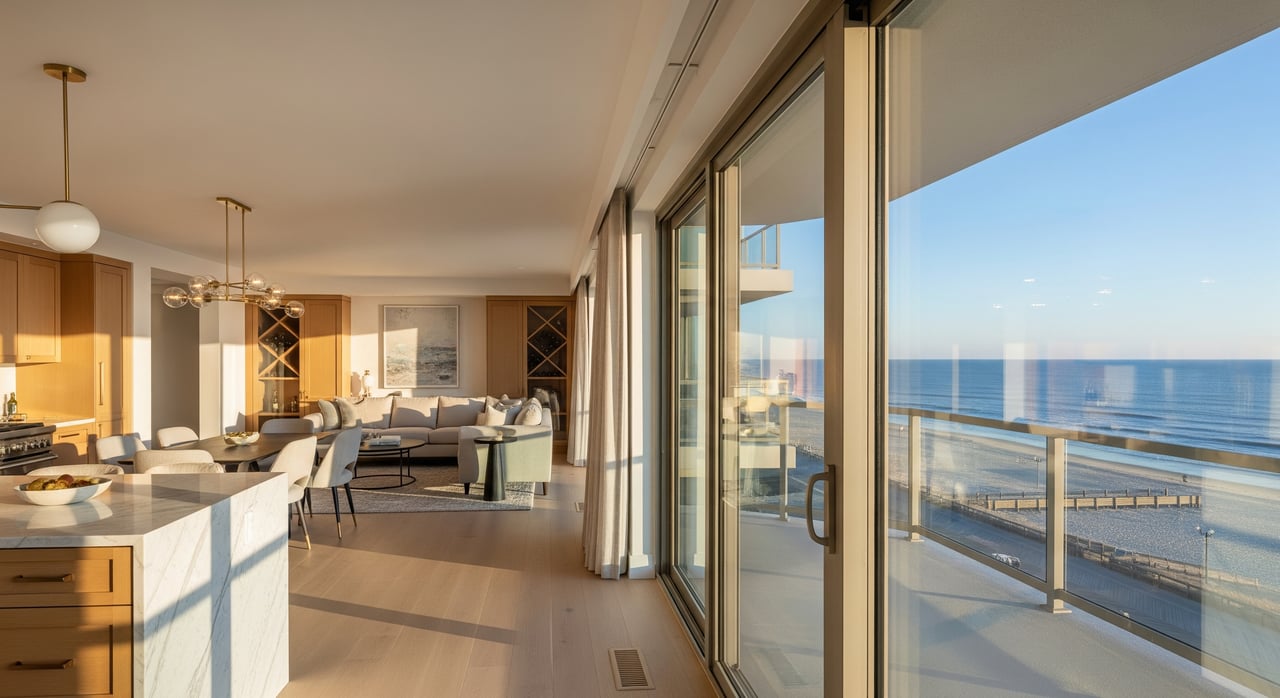
Beach access, ocean views, and distance to the boardwalk are major premiums. Floor level, exposure, and sunlight matter, especially if higher floors offer broader water views. Deeded parking, elevator access, outdoor space, and building amenities like storage or a gym can push value higher.
Gather the right data
You need clean, current information to build a price case. Pull records, confirm HOA details, and capture everything buyers will ask.
MLS and county records
Use your local MLS for closed, pending, and active comps. Check days on market and price reductions to gauge buyer sensitivity. Verify assessed value and recent sale history in Monmouth County property records to understand your unit’s baseline context.
HOA documents checklist
Collect the master deed, bylaws, current budget, reserve study, recent financials if available, and meeting minutes. Confirm current condo fees, any approved or likely special assessments, and building insurance details. Review rental rules and pet policies, since restrictions can influence investor and owner-occupant demand.
Flood maps and insurance
Confirm the FEMA flood zone for the building using FIRM maps or the National Flood Hazard Layer. If the building sits in AE or VE, buyers may need flood insurance, which affects affordability and price tolerance. An Elevation Certificate or documented mitigation can help reduce premiums and improve buyer confidence.
Choose strong comparables
A well-chosen comp set is your foundation. Aim for a tight group of similar units, and expand only when necessary.
Time window and geography
Start with closed sales in the past 6 to 12 months. If your building has low turnover, extend to 12 to 24 months and note the higher uncertainty. Prioritize units in the same building, then the same block, then within Bradley Beach. Use nearby shore communities only as a last resort and adjust carefully.
Match on key features
Align bedroom and bathroom count, square footage, and layout. Consider floor level, view quality, elevator access, parking type, and outdoor space. Pay close attention to condition and renovation level, especially kitchens, baths, windows, and HVAC.
Supplement with actives and pendings
Closed sales show what buyers recently paid. Pending listings signal current pricing tone. Active listings are your competition, though some may be aspirational. Weigh actives and pendings as supportive data beside closed comps.
Make smart adjustments
After you select comps, adjust for differences so you are comparing apples to apples.
Size, beds, and baths
Use price per square foot as a baseline and adjust for meaningful size differences. Bedroom count tends to matter more in smaller condos. Balance precise math with practical buyer behavior in this market.
Views, floor, and parking
Ocean or boardwalk views typically carry a significant premium. Higher floors and corner exposures can add value, especially if they improve light and views. Deeded or off-street parking is a plus in shore towns, while street-only parking can be a drag on price.
Condition and upgrades
Recent kitchen and bath renovations, new systems, and quality finishes tend to command higher prices. Dated interiors or deferred maintenance require downward adjustments. In buildings with common-area improvements or capital projects, note the buyer appeal of a well-maintained property.
HOA fees and reserves
Higher monthly HOA fees reduce buyer affordability. Compare the total monthly cost of ownership, not just price per square foot. If reserves are thin or special assessments are imminent, expect buyers to discount the unit.
Flood risk and location noise
Units in higher-risk flood zones may face insurance requirements that tighten budgets. Proximity to noisy streets or the train may require adjustments versus quieter blocks. Conversely, a quiet location close to the beach and downtown supports price strength.
Build a price range
Translate your adjustments into a clear, defensible range. Then match the strategy to your timeline.
Price per square foot baseline
Calculate the mean and median price per square foot from your best comps. Apply the range to your unit’s square footage for a baseline. Then layer in view, parking, amenity, and condition adjustments to refine the numbers.
Confidence bands and list price
Create a low, median, and high estimate. The low reflects conservative comps or heavier adjustments. The high captures best-case view or amenity premiums if buyers are bidding up similar listings. Pick a recommended list price that fits your goals, and document your assumptions to show buyers and appraisers your work.
Search thresholds and pricing psychology
Be mindful of search filters buyers use. Pricing at a round threshold can expand exposure. For example, landing at a widely used ceiling can catch buyers searching up to that cap, while pricing just over might miss that group.
Factor buyer affordability
Price is only half the story. Buyers decide based on monthly cost, and HOA fees and flood insurance can shift the equation.
Monthly cost walkthrough
Estimate the buyer’s monthly outlay as principal and interest plus property taxes divided by 12, HOA fees, homeowners insurance, and flood insurance where required. Compare this total to similar units to see how your condo stacks up. If your HOA is higher than peers, you may need to reflect that in the price.
When HOA changes price
Two units with the same list price can look very different once you add HOA and insurance. If your HOA fees or expected flood insurance are higher, the marketability may favor a slightly lower list price. If your fees are lower and the building is well funded, you can defend a stronger ask.
Legal and disclosure checks
Clear, complete disclosures help you avoid surprises and keep offers together during attorney review.
Taxes and transfer fees
Verify your most recent property tax bill and assessed value through Monmouth County records. In New Jersey, a state-level Realty Transfer Fee typically applies at closing. Confirm customary responsibilities and factor them into your net sheet so your pricing aligns with your proceeds goals.
Resale package and assessments
Order the HOA resale certificate and budget for any association fees and lead time. Disclose known or approved special assessments and capital projects. Buyers discount uncertainty, so clear documentation supports your price.
Rental rules and investor demand
Check association rental policies and any municipal rules for short-term rentals. Rental caps or restrictions can limit investor interest. If leases are permitted within clear guidelines, highlight that flexibility to broaden demand.
Prep and presentation
You want buyers to see maximum value on day one. Focus on quick wins inside the unit and clear messaging about the building.
High ROI fixes
Fresh paint, deep cleaning, decluttering, and small kitchen or bath updates usually deliver strong returns. Replace dated lighting and fix obvious repairs. Avoid large common-area projects that belong to the HOA unless they directly improve marketability.
Marketing timing
If your schedule allows, consider launching in late winter or spring to catch peak buyer traffic. High-quality photos, floor plans, and virtual tours help out-of-area buyers picture beach living. Lead with what matters most in shore condos, including beach access, parking, storage, and amenities.
Documentation buyers love
Proactively provide HOA financials, recent maintenance history, flood information, and any Elevation Certificate. Organized disclosures help buyers feel confident and can support a premium price.
When to call a pro
Local knowledge is essential in a small shore market with seasonal patterns and unique buildings.
Appraisals and opinions
In low-inventory or one-of-a-kind buildings, consider a pre-listing appraisal or broker price opinion. A third-party view can validate your range and reduce surprises when the buyer’s lender orders an appraisal.
Local attorneys
Use an attorney familiar with New Jersey condo disclosures and HOA documents. Their review of the resale package, assessments, and bylaws can keep your contract on track.
Next steps
If you are thinking about selling your Bradley Beach condo, start with data and a plan. Build a comp set, adjust for ocean proximity and amenities, factor HOA and flood risk into monthly affordability, and choose a list strategy that matches your timing. With the right preparation, you can price confidently and market with purpose.
Want a local, boutique team with more than 40 years on the Jersey Shore to build your pricing case and marketing plan? Speak with a Jersey Shore real estate expert at Shire Realty.
FAQs
How much do ocean views affect Bradley Beach condo prices?
- Views usually command a significant premium. Compare same-building comps with and without views to estimate the uplift for your specific unit.
Do HOA fees change how I should price a Bradley Beach condo?
- Yes. Convert fees into a monthly affordability view and compare to similar condos. Higher fees often call for a sharper price to stay competitive.
What timeframe works for comps in small Bradley Beach buildings?
- Aim for sales in the last 6 to 12 months. If turnover is low, extend to 12 to 24 months and note the higher uncertainty in your pricing range.
Will special assessments reduce my condo’s value in Bradley Beach?
- Often yes. Buyers typically discount for confirmed or imminent assessments, so disclose clearly and adjust price to reflect the added cost.
Should I wait until spring to list my Bradley Beach condo?
- Spring and summer often bring more buyers along the shore. If your timing is flexible, listing before peak season can help maximize exposure and price.
Do Bradley Beach condos require flood insurance to sell?
- It depends on the FEMA flood zone and lender requirements. Units in AE or VE zones often need flood insurance, which affects buyer affordability and pricing.