Dreaming of walking from your Brick Township backyard straight to your boat? Buying a waterfront home here can be deeply rewarding, but it comes with extra layers of due diligence you do not face inland. You want confidence on permits, shoreline structures, flood maps, and insurance before you fall in love with the view. In this guide, you will learn how Brick’s rules work, what to inspect on docks and bulkheads, and the questions to ask so you can buy with clarity. Let’s dive in.
Brick Township waterfront types
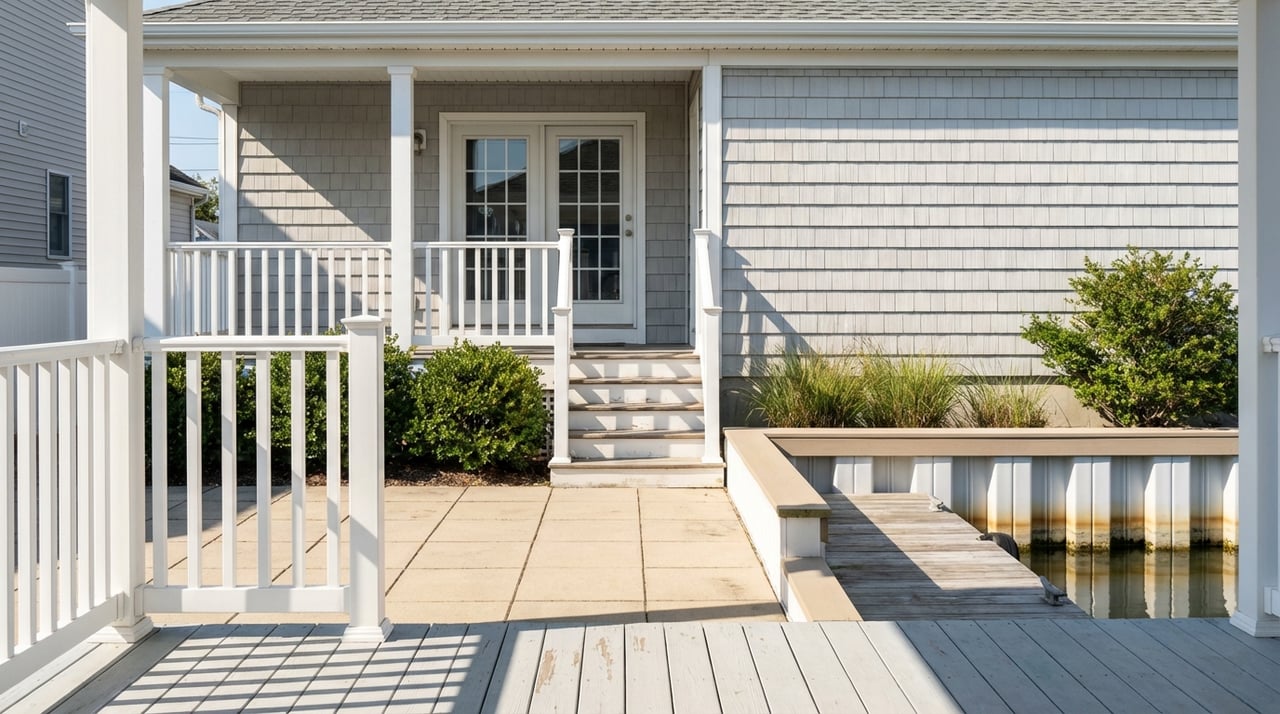
Waterfront in Brick Township is not one-size-fits-all. Properties can sit on quiet man‑made lagoons, along the Metedeconk River and Beaverdam Creek, or on bayfront stretches with access to Barnegat Bay. Each setting has different exposure to wind, wake, and tides, which affects construction choices, permits, and insurance.
Lagoon vs. open-bay vs. riverfront
- Lagoon homes usually offer calmer water and more predictable dock rules but can have shallow depths and neighborhood-specific dock limits.
- Open-bay and peninsula segments can have stronger fetch, higher wake energy, and more exposure during storms. Shoreline armor and cap elevation matter more here.
- River and creek frontage blends tidal effects with current. You will want to confirm navigational depth and any seasonal debris or shoaling.
Boating access and bridge clearance
If boating is part of your lifestyle, confirm the typical water depth from your dock to the nearest channel and whether any fixed bridges limit your vessel’s height. Ask the seller for any dredging history and documents that show permitted work and soundings.
Permits and approvals in Brick
Buying on the water means inheriting whatever was built at the shoreline. Your goal is to verify that every dock, bulkhead, lift, and dredge was permitted and inspected.
Township engineering permit basics
Brick Township requires an engineering permit for bulkheads, docks, piers, boat lifts, dredging, and related waterfront work. The municipal code sets construction standards and calls for a minimum bulkhead top-of-cap elevation of 4.0 NAVD 1988. Review the applicable standards in the Township code, and confirm that existing structures match what was approved.
For records, contact the Township’s Engineering Division. Ask for copies of the “Application for Bulkhead/Dock/Pier Permit,” engineer’s drawings, inspection sign‑offs, and any final approvals. Start with the Brick Engineering office to request the file for the property you are considering.
NJDEP coastal authorizations
Waterfront work also falls under New Jersey’s coastal rules. Two common pathways for residential projects are:
- GP-by-Certification 10 for bulkhead reconstruction or replacement.
- GP-by-Certification 15 for small docks, pilings, and boat lifts in man‑made lagoons.
These general permits include numerical limits, such as typical dock width and a rule of thumb on lagoon encroachment, like the 20 percent of lagoon width guideline and common 8‑foot dock width in eligible scenarios. Learn the basics and eligibility criteria on the NJDEP coastal permitting page. If a project exceeds GP limits or touches wetlands or submerged aquatic vegetation, an individual NJDEP permit is likely required.
Federal layer: when the Corps is involved
Certain shoreline and habitat projects, including many living-shoreline designs, can be authorized through the U.S. Army Corps of Engineers under nationwide permits. Larger or material‑intensive work may require individual review. Your due diligence should confirm whether any prior project needed federal coordination and whether those approvals are on file.
Buyer paperwork checklist for permits
Before you close, collect:
- Municipal permits, stamped plans, and final inspections for bulkheads, docks, lifts, and dredging.
- All NJDEP permits or certifications and any correspondence tied to approvals.
- Any federal filings or clearances noted by the applicant or contractor.
If the seller cannot provide these, treat it as a red flag and verify with the Brick Engineering office. Missing documents can affect insurance, resale, and the cost or timing of future upgrades.
Bulkheads and docks: what to inspect
Your shoreline structures are as important as the house itself. Material choice, installation quality, and maintenance history drive both safety and long‑term costs.
Common materials and tradeoffs
You will see timber pile and sheet systems, vinyl sheet‑pile bulkheads, steel walls, concrete caps, riprap, and floating docks. Each has tradeoffs in cost, performance in salt water, and maintenance. Brick’s code allows timber, vinyl, and other approved materials when built to standard. Ask for the original plans to understand exactly what you are buying.
Failure modes to watch
In estuarine New Jersey waters, submerged timber can face attack from marine borers that hollow piles and sheathing from the inside. Over‑dredging and toe scour can undermine sheet piles. Steel can corrode faster in salt water, especially with galvanic reactions. A thorough marine inspection should include toe and pile soundings, hardware checks, and a search for borer damage and localized scour. These priorities are outlined in coastal inspection literature on waterfront facilities assessment.
How to structure your inspection
Hire a qualified marine contractor or marine structural engineer. For many properties, that means a diver or sonar inspection at the toe, plus a written report on tiebacks, caps, piles, decking, and fasteners. Ask the inspector to estimate remaining life and replacement cost by component, and to flag any work that may have been done without permits.
Routine maintenance and lifespan
Plan for periodic cap and decking replacement, pile repairs, backfill regrading, and the clearing of debris that causes wake scouring. Lifespan varies widely by material, exposure, and care, so avoid generic life‑expectancy claims. Get multiple local quotes for any foreseeable repair or replacement to inform your offer strategy.
Living shorelines: a site‑specific option
In sheltered lagoon or back‑bay settings, a living shoreline can combine a low sill, planted marsh, or oyster elements to stabilize edges while preserving habitat. New Jersey provides engineering guidance and permitting pathways for these designs. Review the state’s overview of living-shoreline engineering guidelines, then consult an engineer to see if your site fits. These are not universal replacements for vertical bulkheads, especially in high‑energy locations, but they can reduce long‑term maintenance in the right conditions.
Flood and insurance: what to verify
Waterfront homes require added attention to flood mapping, elevation, and policy pricing. Lenders, insurers, and buyers all look for the same documentation.
FEMA flood maps and BFE
Use the FEMA Flood Map Service Center to pull the FIRM panel for the exact address, along with the Special Flood Hazard Area designation and Base Flood Elevation. If the structure is in an SFHA and you finance with a federally backed loan, flood insurance will likely be required. Start by locating your panel on the FEMA MSC.
CRS discount in Brick Township
Brick Township participates in FEMA’s Community Rating System. The Township reports a 20 percent flood insurance premium reduction for compliant structures under its floodplain program. Confirm whether a specific parcel and structure are eligible by reviewing the municipal resources on Brick’s Floodplain Information page.
Risk Rating 2.0 and Elevation Certificates
FEMA’s Risk Rating 2.0 uses property‑specific factors to set NFIP premiums. Two houses in the same zone can have very different prices based on features like lowest-floor elevation, foundation type, distance to water, and replacement cost. Ask for NFIP and private flood quotes early, and request any existing Elevation Certificate from the seller. If none exists, your insurer may require one to rate the property accurately. For background, review the Risk Rating 2.0 overview and FEMA’s definition of an Elevation Certificate.
Wind and hurricane coverage
Standard homeowners policies exclude flood. In coastal New Jersey, wind or hurricane coverage can include separate deductibles that are flat or percentage based. Ask a licensed agent to explain all deductibles, exclusions, and waiting periods. Note that NFIP policies typically have a 30‑day waiting period, so do not wait until the last minute to bind coverage.
Value and lifestyle tradeoffs
Waterfront living in Brick often adds lifestyle value through boating, fishing, and views, yet it usually brings higher maintenance and insurance costs. Resale value depends on the specific waterbody, exposure to wake and storms, the documented condition of the bulkhead and dock, and ease of navigation to open water. Always compare waterfront properties to recent waterfront comps rather than inland sales, and use findings from your permit file and marine inspection to inform your negotiations.
Buyer checklist for Brick waterfront homes
Use this as a quick-reference list before you write your offer or as a strong contingency package:
- Confirm the FIRM panel, SFHA status, and BFE for the exact address. Save the map from the FEMA MSC. Ask the seller for any Elevation Certificate or Letters of Map Change.
- Request copies of all municipal engineering permits, stamped plans, and final sign‑offs for bulkheads, docks, lifts, and dredging. Verify files with Brick Engineering if anything is missing.
- Ask for all NJDEP coastal authorizations. Note whether prior work used a General Permit-by-Certification or an individual permit, and keep copies for your records.
- Hire a qualified marine contractor or structural engineer to inspect the bulkhead and dock, including toe and pile soundings. Request a written report with remaining life and replacement cost.
- Get multiple quotes for any foreseeable repair or replacement and ask contractors to estimate permit timelines based on municipal, NJDEP, and potential federal review.
- Obtain both NFIP and private flood quotes, plus homeowners quotes that spell out wind or hurricane deductibles. Ask if the property benefits from Brick’s CRS discount.
- Confirm sewer or septic status, any HOA or lagoon association rules that affect dock dimensions, and any recorded easements that touch the shoreline or water lot.
Ready to talk through a specific Brick Township listing or plan a smart offer strategy? Connect with the local team that has guided Jersey Shore buyers for more than 40 years. Speak with a Jersey Shore real estate expert at Shire Realty.
FAQs
How do I verify permits for a Brick waterfront dock or bulkhead?
- Ask the seller for municipal permits, stamped plans, and final inspections, then confirm records with the Township’s Engineering Division using the Brick Engineering page.
What does NJDEP GP‑15 mean for lagoon docks in Brick Township?
- GP‑15 is a streamlined coastal authorization for small docks, pilings, and lifts in man‑made lagoons, with size and encroachment limits explained on the NJDEP coastal permitting page.
How do I check flood risk and insurance costs for a Brick waterfront home?
- Pull the address on the FEMA Flood Map Service Center, ask for any Elevation Certificate, and get both NFIP and private flood quotes that reflect Risk Rating 2.0.
What is a living shoreline and is it allowed in Brick Township?
- A living shoreline uses features like planted marsh and low sills to stabilize edges in sheltered waters; see New Jersey’s guidance on living-shoreline engineering and consult an engineer for site fit.
What inspections should I order for bulkheads and docks before buying?
- Hire a marine contractor or marine structural engineer to inspect piles, tiebacks, caps, decking, and the underwater toe, with a written report on condition and replacement cost.