Thinking about a place in Manasquan that lets you walk to town or bike to the beach without spending every weekend on yard work? You are not alone. Many buyers weigh condos and townhomes against single-family homes to balance lifestyle, cost, and upkeep at the Jersey Shore. In this guide, you will learn how ownership works, what costs to expect, how flood and financing rules come into play, and a practical checklist to shop with confidence in Manasquan. Let’s dive in.
Manasquan lifestyle and location
Beach and downtown access
Manasquan is a compact shore town with a one-mile beach, a lively inlet and marina area, and a walkable Main Street. Seasonal visitors boost activity in summer, while year-round residents enjoy restaurants and shops through the off-season. For many condo and townhome clusters east of Route 71, downtown and the beach are often within a short bike or foot ride, depending on the block. To get a feel for local services and seasonal operations, check the Borough’s official site for updates on badges, beach rules, and public amenities at the Borough of Manasquan.
Train access and parking
Manasquan has an NJ TRANSIT stop on the North Jersey Coast Line, which is a real perk if you commute or like easy day trips. You can review station details, parking information, and service notes on the NJ TRANSIT Manasquan Station page. Beach and municipal parking rules change seasonally, and badge or pass costs can affect your budget. For seasonal program details, the Borough’s beach operations resources provide helpful guidance on beach badges and parking.
Condo vs. townhome vs. single-family
What you own
- Condominiums: You typically own the interior of your unit while the association manages the building exterior, common areas, and shared insurance. You pay a monthly fee to fund operations and reserves. See a simple overview in this Experian guide to condos vs. townhouses.
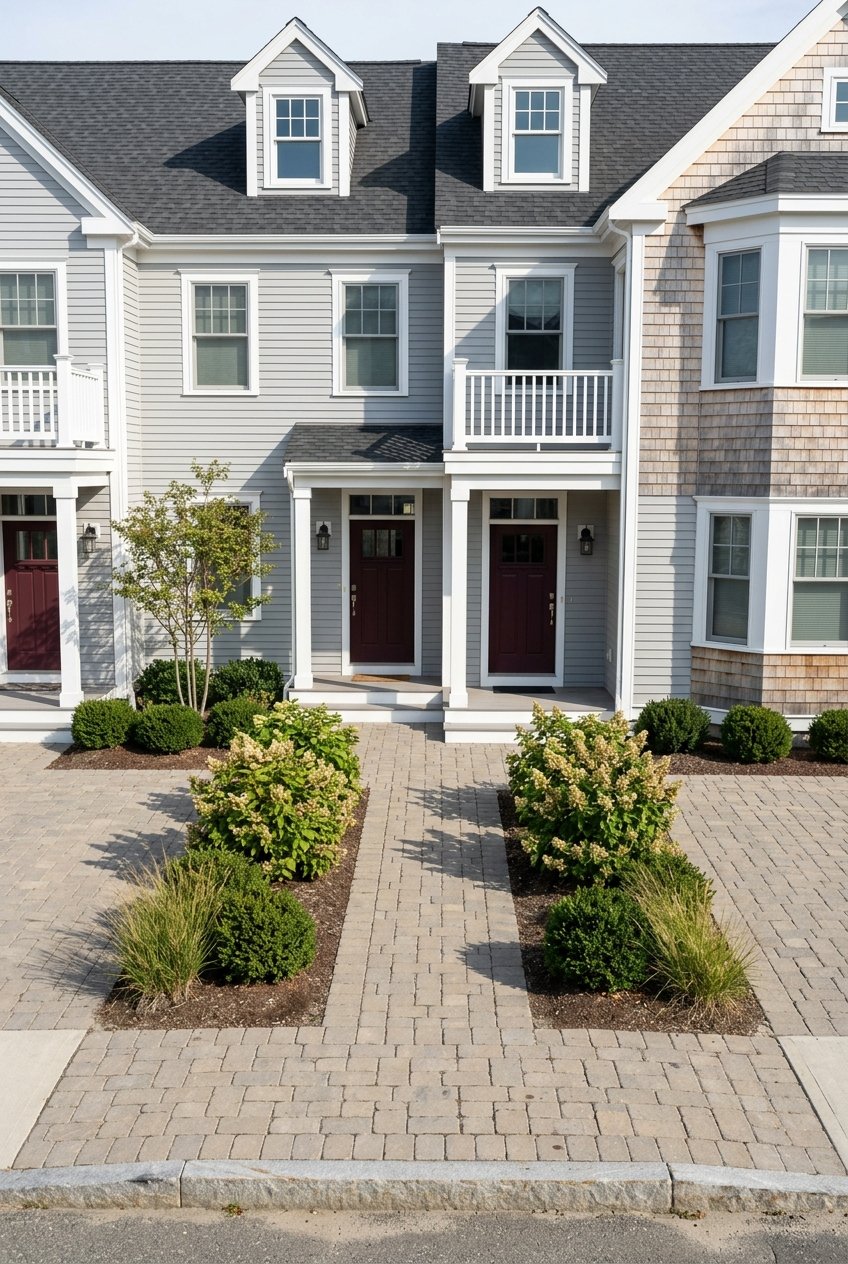
- Townhomes: Ownership varies. In many developments you own the building and land under it, but the HOA still handles roads, landscaping, and shared amenities. You may take on more exterior upkeep than in a condo, but less than a single-family home.
- Single-family homes: You own the house and lot and handle all maintenance, insurance, and utilities unless there is a neighborhood association.
Maintenance and control
Condos reduce hands-on maintenance and can include services like landscaping and snow removal. Townhomes can be a middle ground with some exterior responsibility. Single-family homes give maximum control, but they require the most time and budget for upkeep. Your preference for control versus convenience often drives the decision.
Common Manasquan amenities
Manasquan has a range of communities. You may find oceanfront buildings with direct beach access, river or harbor enclaves with docks or views, and small downtown complexes close to Main Street and the train. HOA fees trend higher as amenities and master insurance coverage increase. This variety lets you match lifestyle and budget, whether you want a simple inland unit or a premium shore experience.
Costs that matter
Prices and monthly costs
Published market reports place typical single-family prices in Manasquan in early 2026 roughly in the $1.1 million to $1.4 million range, with oceanfront and trophy sales pushing averages around. Condos and townhomes cover a broad spectrum, from modest inland units to high-end oceanfront properties. HOA fees in Manasquan vary widely, with recent examples ranging from about $165 per month for smaller complexes to more than $1,000 for full-service waterfront enclaves. For broader context on how condo fees work in New Jersey, see FirstService Residential’s overview of condo fees.
Property taxes in Monmouth County are above the national average, so it helps to compare the full monthly picture. Model your payment as mortgage principal and interest plus taxes and insurance, then add the HOA dues. This PITI plus HOA comparison will show whether a condo or townhome truly lowers your monthly cost versus a house.
Insurance and flood at the Shore
In condo buildings, the association usually carries a master policy for the structure and common areas. Owners carry an HO-6 policy for interior finishes and personal property. Townhome policies can resemble single-family coverage if you own the exterior, so review the declarations to confirm your responsibilities.
Flood is critical at the Jersey Shore. Lenders must require flood insurance for properties in a FEMA Special Flood Hazard Area. You can review lender requirements in the FDIC’s flood insurance guidance and explore coastal risk context in the USGS coastal flood inundation report for New Jersey communities. Ask for a formal flood determination on the exact property and a premium estimate before you finalize your offer.
Condo financing rules to know
If you plan to finance a condo, the project’s eligibility can affect your loan options and timing. Fannie Mae and Freddie Mac evaluate condo projects on reserves, budget health, commercial space, and owner-occupancy. You can learn how lenders vet projects through Fannie Mae’s Condo Project Manager information and the Fannie Mae Selling Guide on project reviews. FHA financing has its own approval standards, and since 2019 it has allowed certain single-unit approvals in nonapproved projects. Review the summary of FHA’s policy change in HUD’s announcement and ask your lender to confirm the building’s status early.
HOA reserves and special assessments
The health of the HOA matters as much as the view. New Jersey has moved toward stronger reserve study and reporting standards for common-interest communities. You can review state-level developments and best practices in PropFusion’s overview of New Jersey reserve study requirements and practical guidance from ReserveAdvisors on New Jersey reserve requirements. An underfunded reserve increases the risk of special assessments, can impact insurance pricing, and may complicate future buyer financing.
Is a condo or townhome right for you?
Consider these tradeoffs in the Manasquan market:
- Choose a condo if you value low exterior maintenance, shared services, and a location near the beach or train, and you are comfortable with HOA rules and fees.
- Choose a townhome if you want a bit more space and autonomy than a condo offers, but still like community services and a simpler maintenance plan than a house.
- Choose a single-family home if you want full control over property decisions and yard space, and you are ready for higher maintenance time and budget.
Your best fit depends on how you plan to use the property. Year-round residents may prioritize commuting convenience, taxes, and storage. Second-home buyers often focus on proximity to the beach, parking, and whether the HOA includes master flood insurance. Investors and seasonal users should look closely at rental rules and licensing.
Buyer due diligence checklist
Use this list before you offer or during your contract period. Ask for documents in writing and keep everything organized.
Association packet: Request bylaws, CC&Rs, budget, reserve study, recent meeting minutes, insurance declarations and master policy, litigation disclosures, and rental rules. Review the reserve study and percent-funded number. New Jersey developments have evolving standards, so start with PropFusion’s summary of reserve study requirements and the ReserveAdvisors guide.
HOA fees and inclusions: Confirm exactly what the fee covers and any upcoming capital projects or fee increases. Compare PITI plus HOA to your budget limits.
Lender program checks: Ask your lender to verify whether the project is eligible under Fannie Mae or Freddie Mac, and whether FHA or VA is possible. For background, review Fannie Mae’s Condo Project Manager info and Selling Guide, plus FHA’s single-unit approval update.
Flood and insurance: Get a flood zone determination and a firm premium estimate. Confirm what the master policy covers and what your unit policy must cover. See the FDIC flood insurance guidance and USGS coastal flood context.
Rentals and local rules: Ask for the HOA’s rental policies, including any caps or minimum lease terms. Cross-check Borough definitions and permitting in the Manasquan zoning code on eCode360, and call the Borough Clerk for current procedures.
Parking and beach passes: Confirm assigned spots, guest parking, and storage. Review seasonal badge and parking rules through the Borough’s beach operations resources. Train commuters should check NJ TRANSIT station parking details.
Building condition and projects: Ask about recent or planned repairs such as roofing, siding, decks, bulkheads, or waterproofing. Confirm whether reserves fund these items or if recent special assessments were required.
Estoppel and disclosures: Obtain the HOA estoppel letter to verify current dues, any arrears, pending assessments, and violations. Match this to seller disclosures.
Next steps with a local expert
Choosing between a condo, townhome, or single-family home in Manasquan comes down to how you want to live, the services you value, and your comfort with HOA rules, flood risk, and financing. If you want help mapping your budget to the right neighborhoods, verifying HOA and flood details, or comparing buildings near the beach and train, connect with a local team that has guided Shore buyers for decades. Speak with a Jersey Shore real estate expert at Shire Realty.
FAQs
How do HOA fees in Manasquan compare to taxes on a house?
- Compare your monthly PITI plus HOA for a condo or townhome to a house’s PITI without HOA to see the true gap, since Monmouth County taxes and HOA dues both drive carrying cost.
Do Manasquan oceanfront condos include flood insurance?
- Some associations carry a master flood policy, while others do not, so always request the master policy declarations and get a unit-level flood quote before you commit.
Can I get an FHA loan for a Manasquan condo?
- It depends on the project’s status and whether a single-unit approval is available, so have your lender check FHA and conventional project eligibility early in your search.
What documents should I review before buying a Manasquan condo?
- Ask for bylaws, CC&Rs, budget, reserve study, recent minutes, insurance declarations, litigation disclosures, rental policies, and an HOA estoppel that confirms dues and assessments.
How does flood risk affect condo and townhome costs at the Jersey Shore?
- If a property is in a FEMA Special Flood Hazard Area, your lender will require flood insurance, which can materially increase monthly costs along with HOA or master policy coverage.