Thinking about renting your Point Pleasant home for the summer? You are not alone. Demand at the Jersey Shore surges each year, but the rules for seasonal rentals in Point Pleasant can be confusing. Many owners do not realize that Point Pleasant Borough and Point Pleasant Beach are separate towns with very different rental ordinances. In this guide, you will learn the key differences, what taxes and safety checks to plan for, and how to structure your lease to fit the season. Let’s dive in.
Know your municipality
Before you price a week in July or post your listing, confirm which town you are in. Point Pleasant Borough and Point Pleasant Beach share a zip code and a shoreline lifestyle, but their rental rules are not the same.
Point Pleasant Borough rules
Point Pleasant Borough limits whole‑home or apartment rentals to terms of 30 days or longer. The borough code states that no dwelling or segment can be rented for less than 30 days, which blocks nightly and weekly vacation stays common in other shore towns. You can review the borough’s short‑term provisions in the municipal code for clarity on the 30‑day rule and limited room‑rental allowances. See the borough ordinance for details on enforcement and penalties: Point Pleasant Borough code reference.
The borough’s Building and Code Enforcement page is a good first stop for local process questions. New Jersey also requires smoke, carbon monoxide, and fire‑extinguisher certifications before a change of occupancy, which many owners overlook. Start with the borough page here: Building and Code Enforcement contact. For the state‑required life‑safety inspection and any lead rules that apply to pre‑1978 properties, review this local advisory that summarizes the process: Fire safety and lead rental rules overview.
Point Pleasant Beach rules
Point Pleasant Beach, a separate municipality, does allow summer week‑long rentals under a seasonal exception, but you must follow its licensing and inspection framework. From May 15 through September 30, the town permits whole‑unit rentals of at least seven days. The ordinance also requires a rental license, inspections before occupancy, and a designated local person in charge. Advertising must reflect compliance. Review the Beach ordinance carefully: Point Pleasant Beach rental ordinance.
Verify your property address
If you are unsure which town your home is in, check your tax bill, contact the borough office, or ask your agent to confirm the municipal boundary for your parcel. Getting this right upfront will save you from creating an illegal listing or using the wrong lease structure.
Taxes, disclosures, safety
Seasonal rentals at the Jersey Shore trigger state rules that apply wherever your property is located. Build these into your timeline and budget.
State taxes on short stays
New Jersey taxes many short‑term stays as “transient accommodations.” If your bookings are obtained through an online marketplace, or the unit is professionally managed, you are usually subject to state sales tax and an occupancy fee. Marketplaces often collect and remit those taxes for you, but you need to confirm your situation and registration requirements with the Division of Taxation. See the state FAQ: NJ transient accommodations guidance.
Published summaries show that taxable short stays often include state sales tax at 6.625 percent plus a state occupancy fee that is commonly 5 percent. Some towns also add local taxes. Confirm current rates and whether the platform will remit them: New Jersey lodging tax overview.
Flood‑risk notice in leases
For most residential leases signed or renewed on or after March 20, 2024, New Jersey requires a written flood‑risk disclosure. The Department of Community Affairs released a model notice and tools to help owners check FEMA flood‑hazard areas. Include this notice in your lease package when required: State flood‑risk disclosure announcement.
Fire and lead certifications
Before a new tenant moves in, New Jersey’s Uniform Fire Safety Code requires a smoke, carbon monoxide, and fire‑extinguisher inspection. Properties built before 1978 may also need to comply with lead‑safe certification rules when rented. Your local Fire Marshal coordinates these inspections for Point Pleasant‑area properties. This summary explains the process and timing: Fire safety and lead rental rules overview.
Seasonal demand and leases
Point Pleasant’s rental demand follows a classic Jersey Shore pattern, with a summer spike and quieter off‑season months. Your lease approach should match your town’s rules and the calendar.
Peak summer window
Demand surges from late May through early September, with the busiest stretch from mid‑June into August and around holiday weekends. Point Pleasant Beach’s seasonal exception for week‑long rentals also runs May 15 to September 30, which mirrors the prime booking window. If your property is in the Beach, plan for weekly or minimum seven‑day summer stays under the licensing framework described in the ordinance: Point Pleasant Beach rental ordinance.
Off‑season strategies
Fall and winter bring fewer visitors, but that can be an opportunity. Many owners pivot to month‑to‑month winter rentals from October through May. Off‑season monthly rents are typically far below peak summer pricing, and you may find stable, longer‑term tenants who appreciate a quiet shore setting. Build your calendar so you can complete maintenance and deep cleaning before the summer rush.
Lease structure tips
- If your home is in Point Pleasant Borough, structure leases at 30 days or longer. Common approaches include June 1 to September 1 or two multi‑month agreements that cover the summer season.
- If your home is in Point Pleasant Beach, seven‑day minimums are allowed in summer with a license and inspections. Many owners choose Saturday‑to‑Saturday or similar weekly turnovers to simplify cleaning and guest transitions.
- Regardless of town, your agreement should cover security deposit terms, damage and cleaning policies, maximum occupancy, parking, trash pickup, check‑in and check‑out times, and cancellation rules. Having a clear contract and house rules reduces disputes and keeps neighbors comfortable.
Amenities that drive bookings
Guests prioritize comfort and convenience. You do not need luxury features to succeed, but you do need the basics done right.
- Reliable high‑speed Wi‑Fi and streaming‑ready TVs so guests can work or relax easily. See a helpful list here: Top vacation rental amenities.
- Air conditioning for hot and humid weeks.
- A well‑equipped kitchen and an outdoor grill for family meals.
- A washer and dryer for longer stays or beach days.
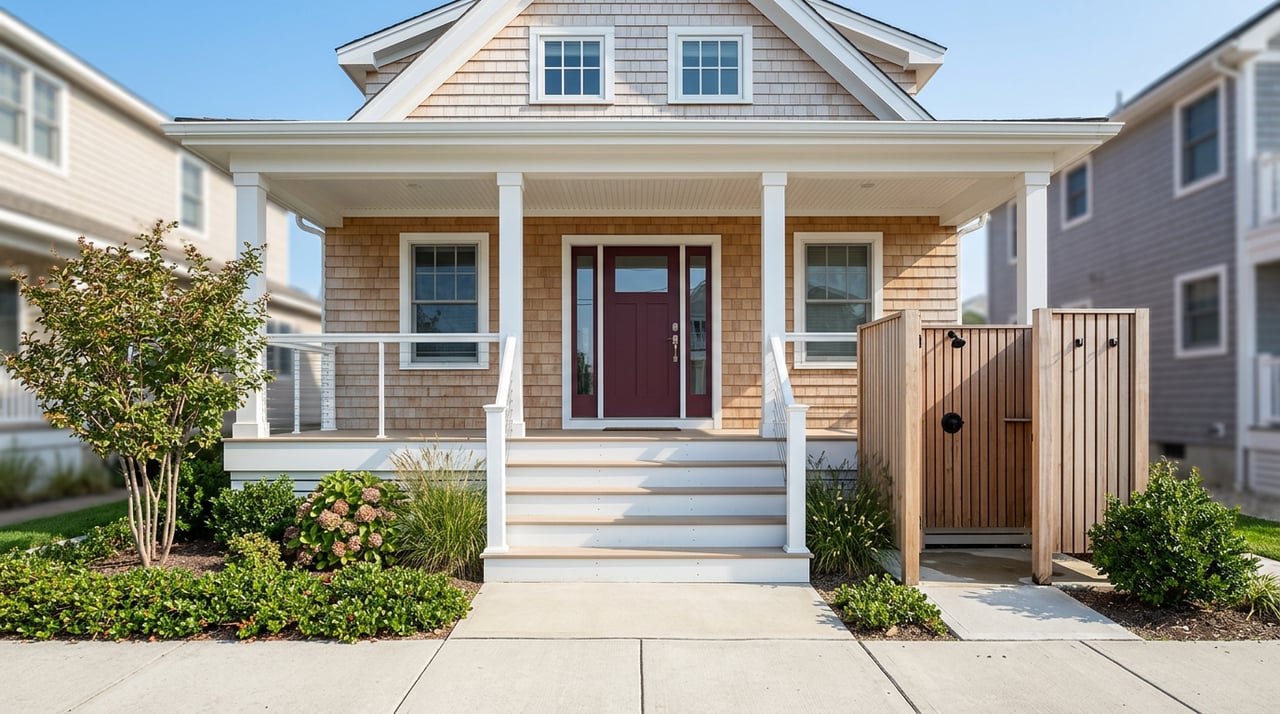
- An outdoor shower or rinse area to keep sand outside.
- Clear parking info. Shore parking can be tight, so spell out spaces and local rules.
- Beach access details and badges. If you provide badges or guidance on purchasing, say so clearly. Point Pleasant Borough operates Maxson Avenue and River Avenue beaches with seasonal badges and specific hours; owners often share this link in guest info: Borough beach badges and details.
A clean, well‑stocked home with dependable systems will generate better reviews and repeat stays. Invest first in safety and compliance, then in AC, Wi‑Fi, linens, and a solid cleaning routine.
Owner checklist before advertising
Use this step‑by‑step list to set up your rental the right way.
- Confirm your town and rules
- Verify if your property is in Point Pleasant Borough or Point Pleasant Beach. Read the applicable ordinance and do not advertise weekly stays in the Borough.
- Borough code reference: Point Pleasant Borough code.
- Beach licensing and seasonal minimums: Point Pleasant Beach ordinance.
- Line up inspections and compliance
- Schedule the smoke, CO, and fire‑extinguisher inspection before occupancy. Review lead‑safe rules if your home was built before 1978. See the local summary: Fire safety and lead rental rules overview.
- Add the flood‑risk notice to leases
- For most leases signed or renewed on or after March 20, 2024, include the state’s model flood‑risk disclosure: Flood‑risk notice information.
- Address taxes and registration
- If bookings are through a marketplace or the unit is professionally managed, state taxes and fees likely apply. Confirm whether the platform will collect and remit and whether you must register. Start with the state FAQ: NJ transient accommodations guidance. For common rates and examples, see: New Jersey lodging tax overview.
- Finalize your lease and house rules
- Set occupancy limits, quiet hours, parking instructions, trash rules, pet and smoking policies, and check‑in and check‑out times. Provide a local emergency contact or manager if required by ordinance.
- Build your vendor team
- Line up cleaning, linens, handyman support, and seasonal maintenance. Reserve summer turnover slots early.
Pricing and ROI basics
Start with your town’s rules, because they shape revenue. If your Point Pleasant Borough property must be rented for at least 30 days, your math will differ from a weekly summer model. In the Beach, seasonal week‑to‑week pricing can spike in mid‑summer, while shoulder weeks and off‑season monthlies are usually lower. Use conservative assumptions, especially for non‑peak weeks and winter months.
When you estimate net income, include insurance, utilities, licensing or inspection fees, cleaning and linen services, maintenance reserves, local management or a local contact, and marketplace host fees. If state taxes apply, account for those in your pricing. Do not assume every platform will handle taxes the same way for every listing; confirm your collection and filing duties with the Division of Taxation.
How Shire Realty helps
As a boutique Jersey Shore brokerage with more than 40 years in Monmouth and Ocean counties, we guide you through the details that matter. Our team helps you:
- Identify whether your property is in the Borough or the Beach and align your plan with the right ordinance.
- Choose a lease structure that fits the season and your goals.
- Price strategically for peak, shoulder, and off‑season periods using local context.
- Prepare a clear lease and house rules, with checklists for disclosures and inspections.
- Market your rental with professional photos and broad MLS and portal exposure when appropriate.
If you are weighing a seasonal rental in Point Pleasant, we are here to help you make a confident, compliant plan that meets the market.
Ready to talk through your options and timing? Speak with a local expert at Shire Realty.
FAQs
Can I run weekly rentals in Point Pleasant Borough?
- No. The Borough prohibits whole‑unit rentals of less than 30 days. Weekly summer stays are allowed in nearby Point Pleasant Beach under its seasonal exception with licensing and inspections.
How do New Jersey taxes apply to my Airbnb or VRBO bookings?
- If your rental is booked and paid through a marketplace, state sales tax and the state occupancy fee usually apply, and the platform may collect and remit. You still need to confirm whether you must register and file with the Division of Taxation.
Do I need a rental license in Point Pleasant Beach?
- Yes. The Beach requires licensing, inspections before occupancy, and a designated local person in charge. Summer minimums are seven days from May 15 through September 30.
Are flood‑risk disclosures required for seasonal leases?
- For most residential leases signed or renewed on or after March 20, 2024, landlords must provide the state’s flood‑risk notice and related information. Check exemptions and use the model form.
What inspections are required before tenants move in?
- New Jersey requires a smoke, carbon monoxide, and fire‑extinguisher certification before a change of occupancy, and lead‑safe rules may apply for pre‑1978 homes. Coordinate through your local Fire Marshal and plan timing before your first check‑in.