If you are torn between a condo and a beach cottage in Avon-by-the-Sea, you are not alone. In a small, built-out shore town where location, upkeep, and budget all matter, the right choice often comes down to how you want to live day to day. This guide will help you compare both options, understand the local ownership realities, and make a more confident decision in Avon. Let’s dive in.
Avon Market Basics
Avon-by-the-Sea is a compact coastal borough with a housing stock that is already largely in place. According to the borough’s 2025 housing element, Avon has 1,254 total housing units, including 860 single-unit detached homes, 71 single-unit attached homes, and 145 units in buildings with 20 or more units.
That mix matters because your decision is usually not about choosing from large waves of new construction. It is more often about finding the right existing property type for your budget, lifestyle, and maintenance comfort level. The same housing element reports a median structure year of 1948 and a median owner-occupied home value of $1,349,000, which also speaks to Avon’s established character.
Avon’s zoning supports that pattern. The borough’s R Single Family Residential District covers most of the town, and single-family detached homes are a principal permitted use. In practical terms, detached homes are a core part of Avon’s identity, while condos tend to serve a different kind of shore ownership experience.
What a Condo Usually Offers
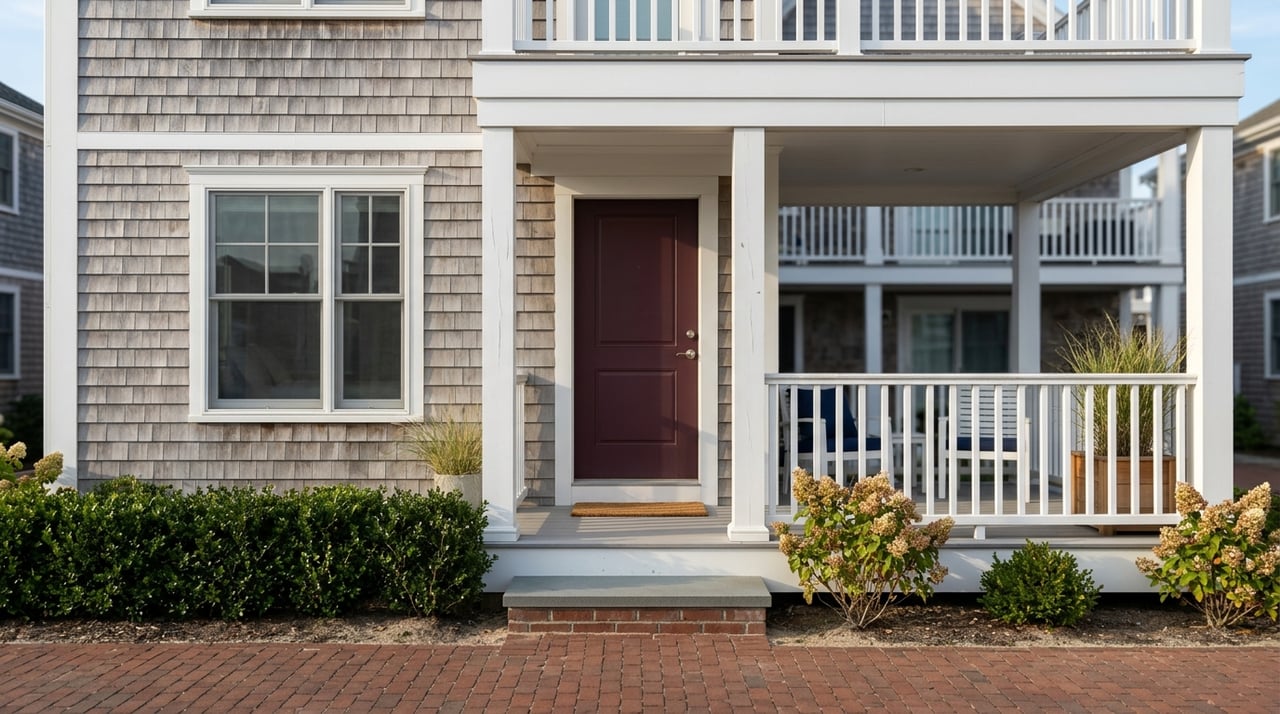
For many buyers, a condo can be the easier, more streamlined way to own near the shore. In New Jersey, condo ownership includes your unit plus a proportional undivided interest in the common elements, and common expenses are shared among unit owners.
That shared structure can make a condo appealing if you want a simpler weekly routine or a more manageable second-home setup. You may have fewer day-to-day exterior responsibilities than you would with a detached home, which can be a real advantage if you are not in Avon full time.
The tradeoff is that condo ownership comes with association governance. Owners are subject to bylaws, maintenance fees, and association rules, and unpaid fees can lead to a lien. That means the convenience of shared upkeep also brings shared decision-making and ongoing monthly carrying costs.
You should also plan for the possibility of special assessments. If an association needs extra funds for unforeseen conditions or major work, owners may be asked to contribute beyond regular dues. In other words, condo costs are not just the purchase price plus monthly fees. You also need room in your budget for the ownership structure itself.
Condo Lifestyle Fit
A condo often fits best if you value convenience over control. Because land and common areas are shared, you will usually have less private outdoor space and less direct say over landscaping, exterior changes, or common-area use.
That does not make a condo better or worse. It simply means the lifestyle is different. If your priority is to spend less time coordinating exterior upkeep and more time enjoying the shore, a condo may line up well with your goals.
What a Beach Cottage Usually Offers
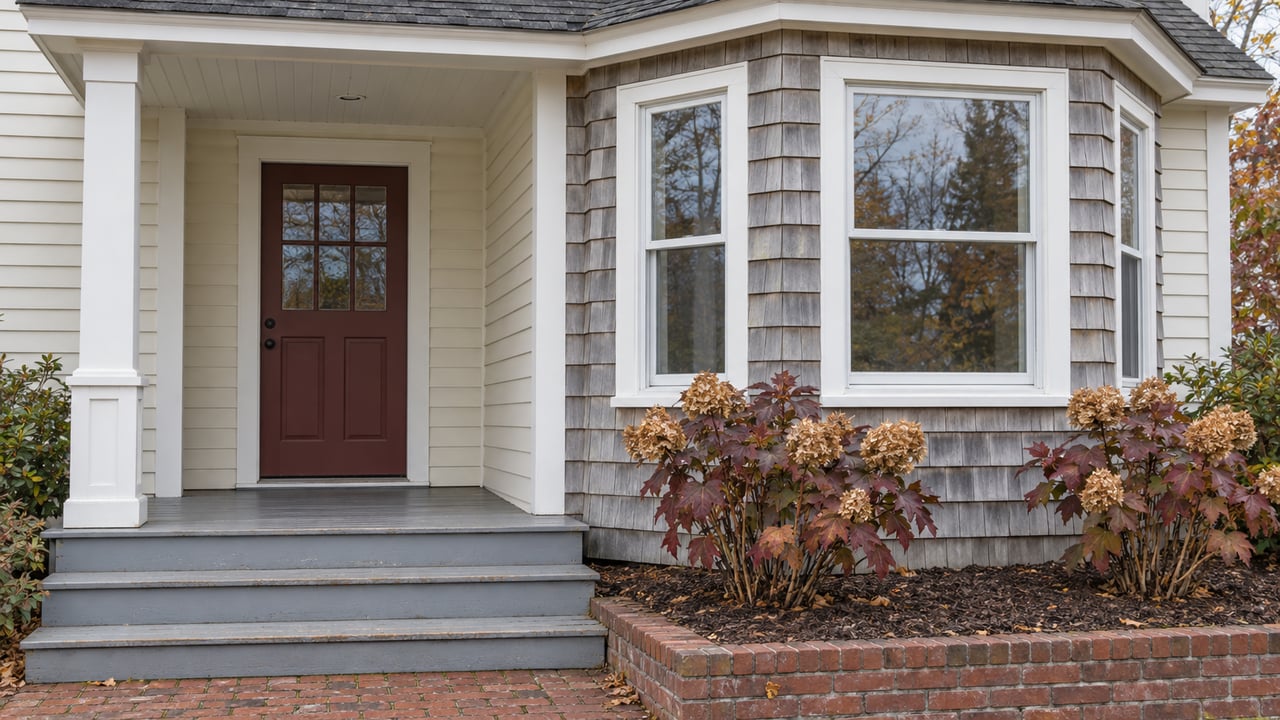
A detached beach cottage gives you a more independent ownership experience. In Avon, where detached homes make up the majority of the housing stock, that option tends to appeal to buyers who want more privacy, more control, and a more traditional shore-home feel.
Because a cottage sits on its own lot, you generally have direct responsibility for the property. That usually means more autonomy over outdoor space, landscaping, porches, and the overall use of the home within local rules.
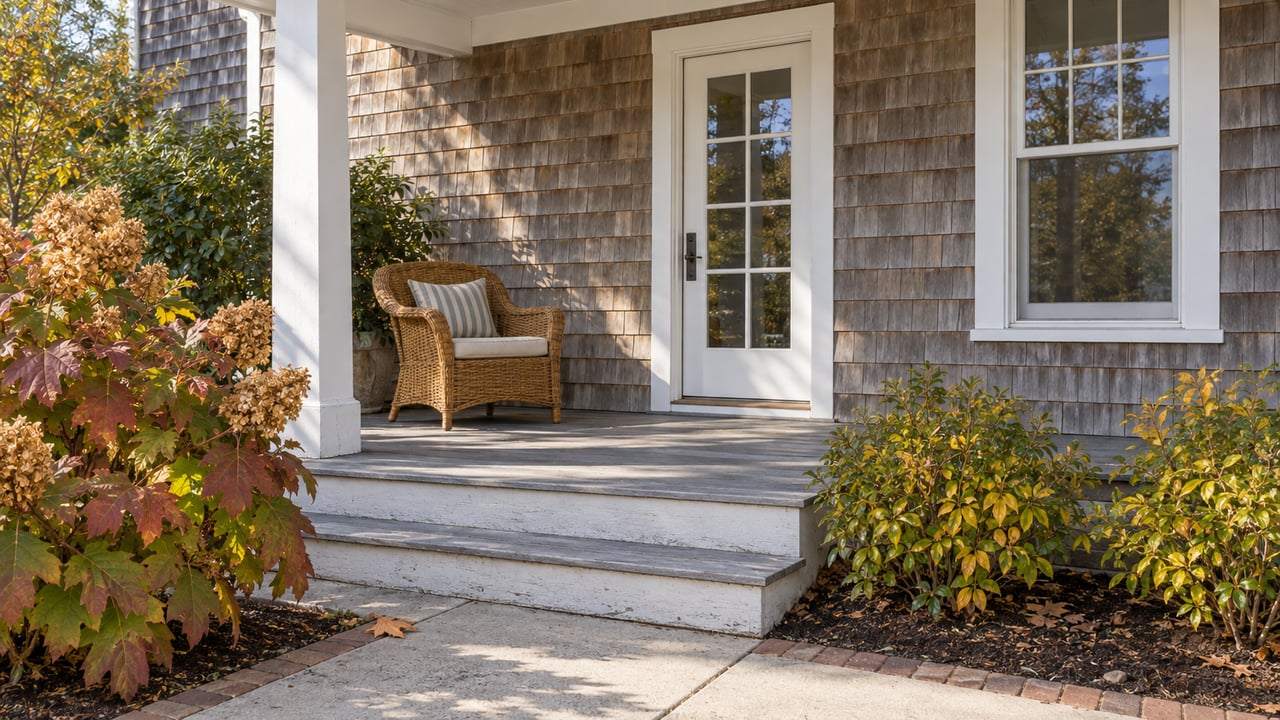
For some buyers, that extra control is the whole point. If you picture porch time, gardening, pet space, or a more private outdoor setup, a detached home often fits better than a condo.
Cottage Maintenance Reality
The tradeoff is upkeep. With a detached cottage, roof work, siding, storm prep, landscaping, and most exterior repairs typically fall on you rather than on an association.
That responsibility is especially important in a coastal town. Avon’s flood ordinance uses FEMA flood maps, adopts more restrictive standards when applicable, and requires permits and elevation-related review in flood hazard areas. So while a cottage can offer more freedom, it also asks more from you as an owner.
How Location Changes the Decision
In Avon-by-the-Sea, exact block location can shape your experience almost as much as property type. The borough’s housing element identifies the B Beach Zone as the area east of Ocean Avenue that contains the beach and boardwalk.
That means two properties in the same town can feel very different depending on where they sit. A condo close to the beach may offer a highly convenient shore routine, while a cottage a little farther inland may deliver more space or privacy. The right answer often comes from balancing access, quiet, and how you want to use the property.
Beach use itself also has a recurring cost to remember. Avon requires beachfront users to register and wear an identification badge or wristband, with fees set annually by resolution. Children under 12 are exempt from the charge.
Comparing the Budget Side
Budget is where the condo versus cottage decision often becomes very clear. Zillow’s latest Avon-by-the-Sea home-value page puts the borough’s average home value at $1,790,529, while the New Jersey Treasury reported an average residential tax bill of $11,326 for Avon in 2024 and an average residential assessment of $1,297,522 in 2023.
Current listing snapshots in the research also show a wide entry-price spread. One condo listing was priced at $499,000, while detached homes in the same market were listed at $1.995 million, $2.689 million, and $4.9 million. These numbers are only snapshots, but they illustrate how different the starting points can be.
Condo Costs vs. Cottage Costs
A condo may offer a lower entry price in some cases, but that does not always mean a lower long-term cost. You need to account for monthly association dues and the possibility of special assessments.
A cottage may come with a much higher purchase price, but your carrying costs will often center more on taxes, insurance, repairs, and ongoing maintenance. The better fit depends on whether your budget is more comfortable with predictable shared costs or direct property-level expenses.
Flood Risk and Due Diligence
Flood risk should be part of your decision no matter which property type you choose. New Jersey’s flood-risk notification law, effective for sales beginning March 20, 2024, requires sellers to disclose whether a property is in a FEMA Special Flood Hazard Area or Moderate Flood Hazard Area, along with actual knowledge about flood risk.
For you as a buyer, that makes flood maps, elevation status, and insurance pricing important due-diligence items. In a shore market like Avon, those details can affect both affordability and peace of mind.
This is one area where comparing two properties on paper is not enough. A condo and a detached cottage can each have very different flood-related costs depending on the building, the lot, and the exact location.
Rental Rules Matter Too
If you are hoping to offset ownership costs with rental income, make sure your plan matches Avon’s local rules. The borough’s rental code says short-term rentals of less than seven days are strictly prohibited except in licensed hotels or rooming houses.
That means you should not assume a weekend-rental strategy will work for a condo or a cottage. If rental income is part of your ownership plan, confirming what is allowed should be part of your decision early, not after closing.
Which Option Fits You Best?
If you want a lower-hands-on ownership experience, a condo may be the better match. It often works well for buyers who want a second home, simpler upkeep, and a more convenient lock-and-leave routine near the shore.
If you want more privacy, more outdoor control, and a more traditional detached-home experience, a beach cottage may be the better fit. It usually suits buyers who are comfortable managing repairs, storm readiness, and the ongoing needs of an individual property.
In Avon-by-the-Sea, the choice is rarely just condo versus cottage in the abstract. It is really about shared convenience versus individual autonomy, and which ownership model best supports the way you want to enjoy the Jersey Shore.
If you are weighing both options in Avon-by-the-Sea, working with a local team can help you compare not just price, but the real day-to-day ownership picture. To talk through your goals with a Jersey Shore expert, connect with Shire Realty.
FAQs
What is the main difference between a condo and a beach cottage in Avon-by-the-Sea?
- A condo usually offers shared upkeep and association governance, while a beach cottage usually offers more privacy and control with more direct maintenance responsibility.
Are detached homes more common than condos in Avon-by-the-Sea?
- Yes. Avon’s 2025 housing element reports 860 single-unit detached homes, compared with 145 units in buildings with 20 or more units.
Do Avon-by-the-Sea condos have association fees?
- Yes. In New Jersey, condo owners share common expenses, and owners are subject to association fees, bylaws, and governance.
What should buyers know about flood risk in Avon-by-the-Sea?
- Buyers should review flood-zone status, elevation-related issues, and insurance costs because New Jersey requires flood-risk disclosures and Avon applies flood-hazard regulations in applicable areas.
Can you use a condo or cottage as a short-term rental in Avon-by-the-Sea?
- Avon’s rental code says short-term rentals of less than seven days are prohibited except in licensed hotels or rooming houses.
Is beach access in Avon-by-the-Sea free for property owners?
- Avon requires beach users to register and wear an identification badge or wristband, with fees set annually by resolution, though children under 12 are exempt from the charge.